
Laser cutting has become one of the most widely used processes in modern metal fabrication thanks to its speed, flexibility, and cutting precision.
However, in many manufacturing environments, the real challenges often begin after the cutting process is finished.
Issues such as burrs, slag attachment, oxide layers, and inconsistent edge quality can affect downstream operations including welding, coating, bending, and assembly.
Understanding these common post-cutting problems is important for improving overall production quality and efficiency.
1. Burrs on the Edges
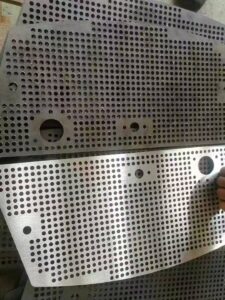
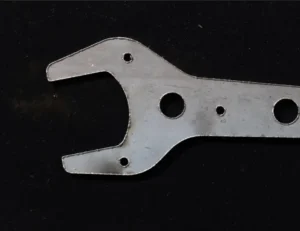
Burrs are one of the most common problems after laser cutting. They usually appear as small sharp metal protrusions along the cut edge.
Possible causes:
- Incorrect cutting speed
- Improper focus position
- Worn nozzles or consumables
- Unstable gas pressure
- Material inconsistency
Why it matters:
Excessive burrs often require additional manual grinding and may affect:
- Assembly accuracy
- Operator safety
- Surface coating quality
- Product appearance
Proper deburring is often necessary before further processing.
2. Heavy Slag or Dross Attachment
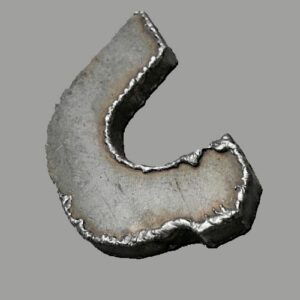
Slag (also called dross) refers to melted material that solidifies and sticks to the bottom edge of the cut part.
Possible causes:
- Insufficient assist gas pressure
- Incorrect cutting parameters
- Excessive heat input
- Poor material condition
Why it matters:
Heavy slag increases post-processing time and may create difficulties during:
- Welding
- Bending
- Surface finishing
- Powder coating
In severe cases, additional grinding or slag removal processes are required.
3. Oxide Layers on Cut Surfaces
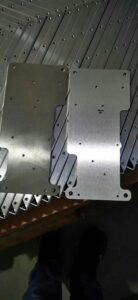
Oxidation is especially common when oxygen is used as the assist gas during cutting.
Possible causes:
- High-temperature oxidation reaction
- Improper gas selection
- Excessive thermal input
Why it matters:
Oxide layers can negatively affect:
- Welding quality
- Coating adhesion
- Surface appearance
For applications with higher finishing requirements, oxide removal may become necessary before further processing.
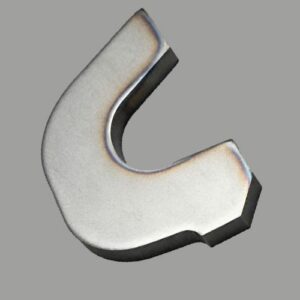
4. Sharp Edges and Poor Edge Consistency
Even when the cutting profile looks accurate, edge quality may still vary significantly.
Possible causes:
- Machine vibration
- Material thickness variation
- Improper parameter settings
- Instability during cutting
Why it matters:
Sharp or inconsistent edges may create problems in:
- Assembly
- Handling safety
- Surface finishing
- Final product quality
Edge rounding and finishing processes are often used to improve consistency.
5. Surface Scratches During Handling
Surface scratches are sometimes overlooked during production, especially when handling stainless steel or decorative materials.
Common causes:
- Improper stacking
- Manual handling
- Contact with metal debris
- Inadequate protection during transportation
Why it matters:
Scratches may reduce the visual quality of finished products and lead to customer complaints, especially in industries with high appearance standards.
Why Post-Processing Matters
In modern fabrication, cutting speed alone is no longer the only indicator of production quality.
Manufacturers are paying increasing attention to:
- Edge quality
- Surface consistency
- Processing stability
- Downstream production efficiency
A cleaner and more consistent cut edge often helps reduce manual rework and improve overall manufacturing performance. Choose the right machine to fix it now!
Final Thoughts
Laser cutting is only one part of the manufacturing process.
Proper post-processing and finishing are equally important for achieving stable quality and efficient production.
By understanding the common problems that appear after laser cutting, manufacturers can make better decisions regarding deburring, slag removal, and surface finishing processes.
Need Help Choosing a Deburring Process?
Send us your material, thickness, cutting method, and burr or slag condition. Lasvio can help recommend a suitable deburring, edge rounding, or surface finishing solution for your parts.