Heavy Slag Removal Solutions for Cutting Parts
Remove heavy slag, oxide layers, and hard dross efficiently while improving downstream fabrication quality.
Built for fabrication shops that require cleaner parts, reduced manual grinding, and more consistent finishing results.
Common Processing Challenges
Heavy Slag After Thermal Cutting Creates Multiple Production Problems
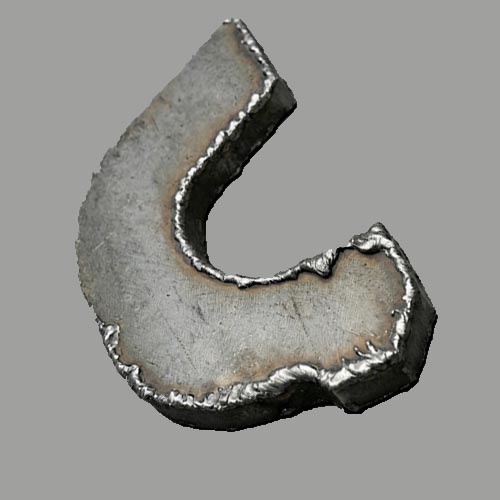
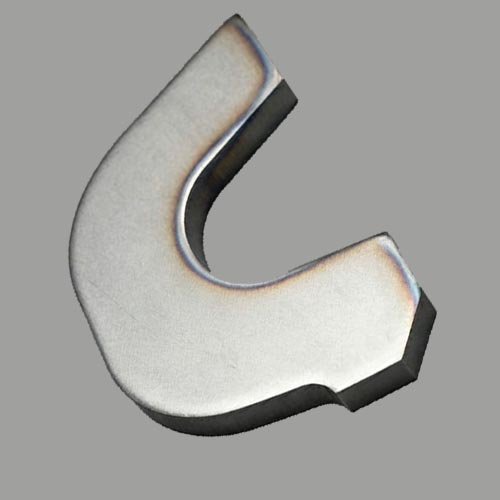
Heavy slag and oxide buildup are common issues after plasma cutting and high-power laser cutting, especially on thick carbon steel parts. Excessive slag often leads to:
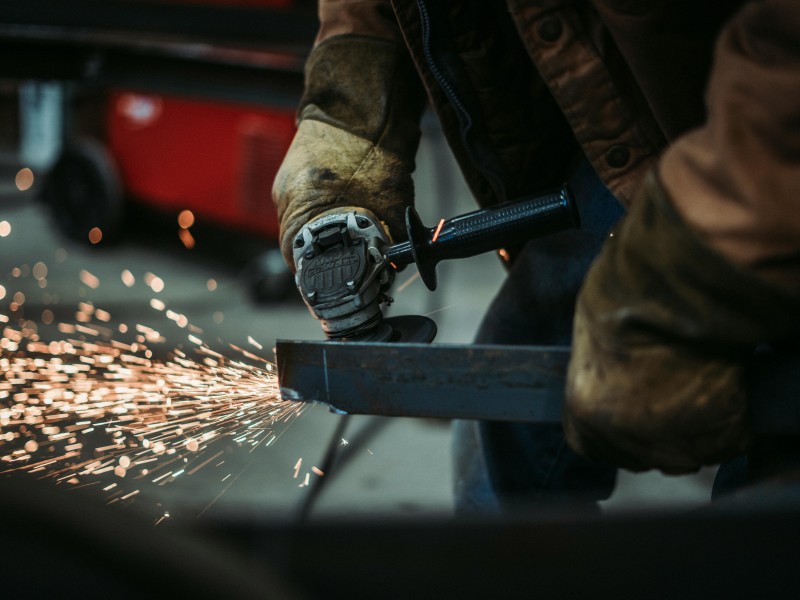
Time-consuming manual grinding
Poor welding preparation
Inconsistent edge quality
Increased labor cost
Secondary processing delays
Powder coating adhesion issues
For many fabrication shops, manual cleanup becomes a production bottleneck that affects overall efficiency and finishing consistency.
What It's Built For?
Designed for Heavy-Duty Slag & Oxide Removal
This solution is developed for fabrication shops processing medium to thick metal sheets that require reliable post-cut finishing before welding, coating, or assembly.
- Plasma cut carbon steel
- High-power laser cut parts
- Thick sheet metal fabrication
- Structural steel components
- Weld preparation
- Powder coating preparation
- Carbon steel
- Stainless steel
- Aluminum
- Galvanized
- Steel Copper
Machine Features
HBB Structure
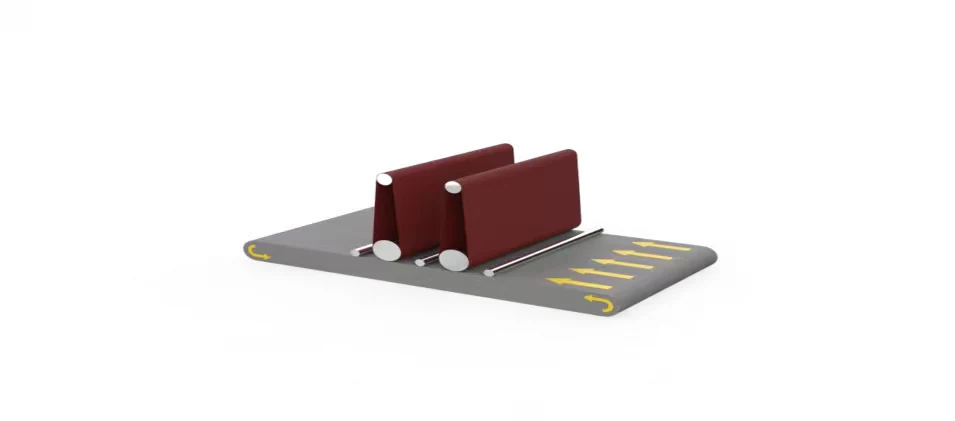
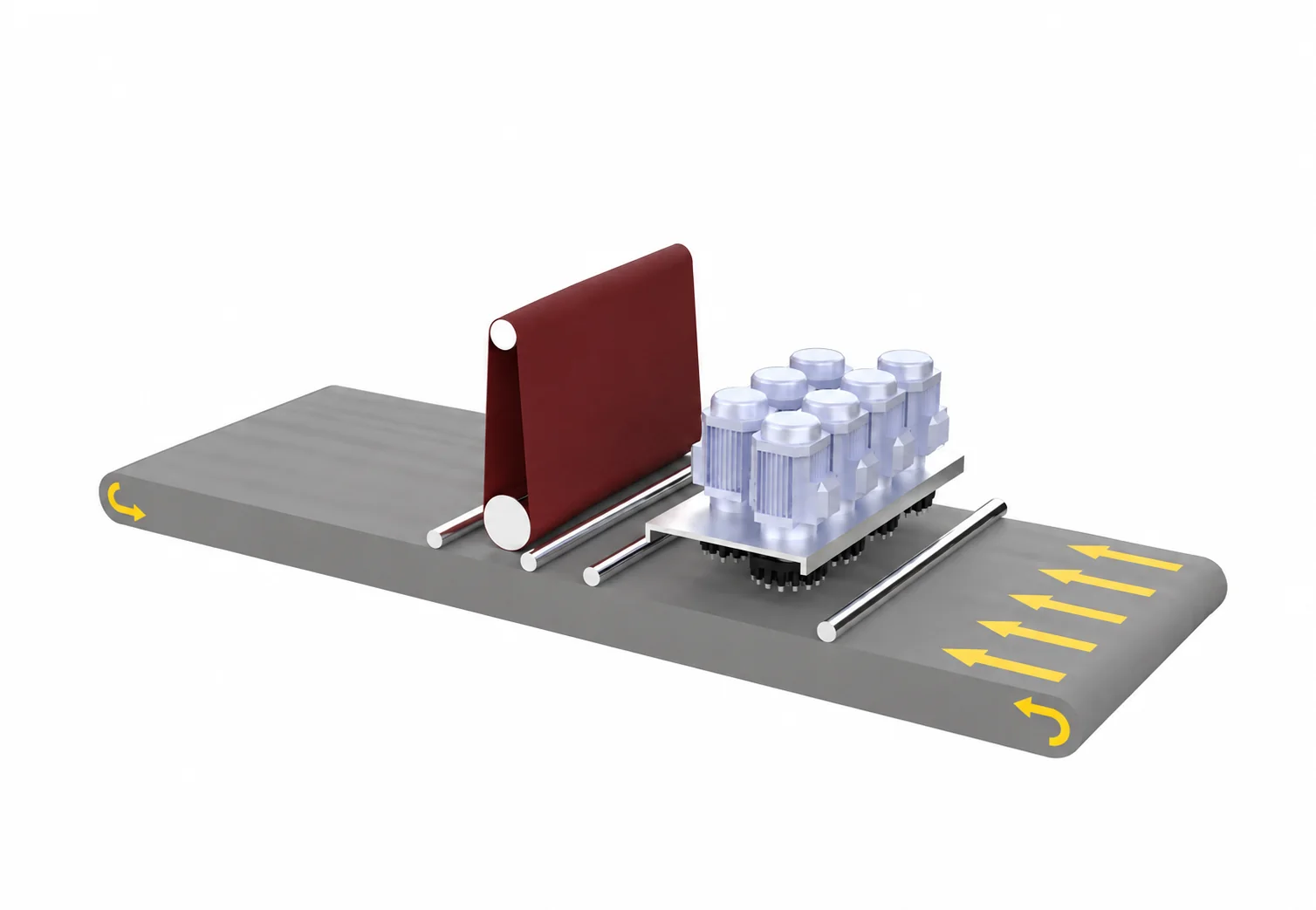
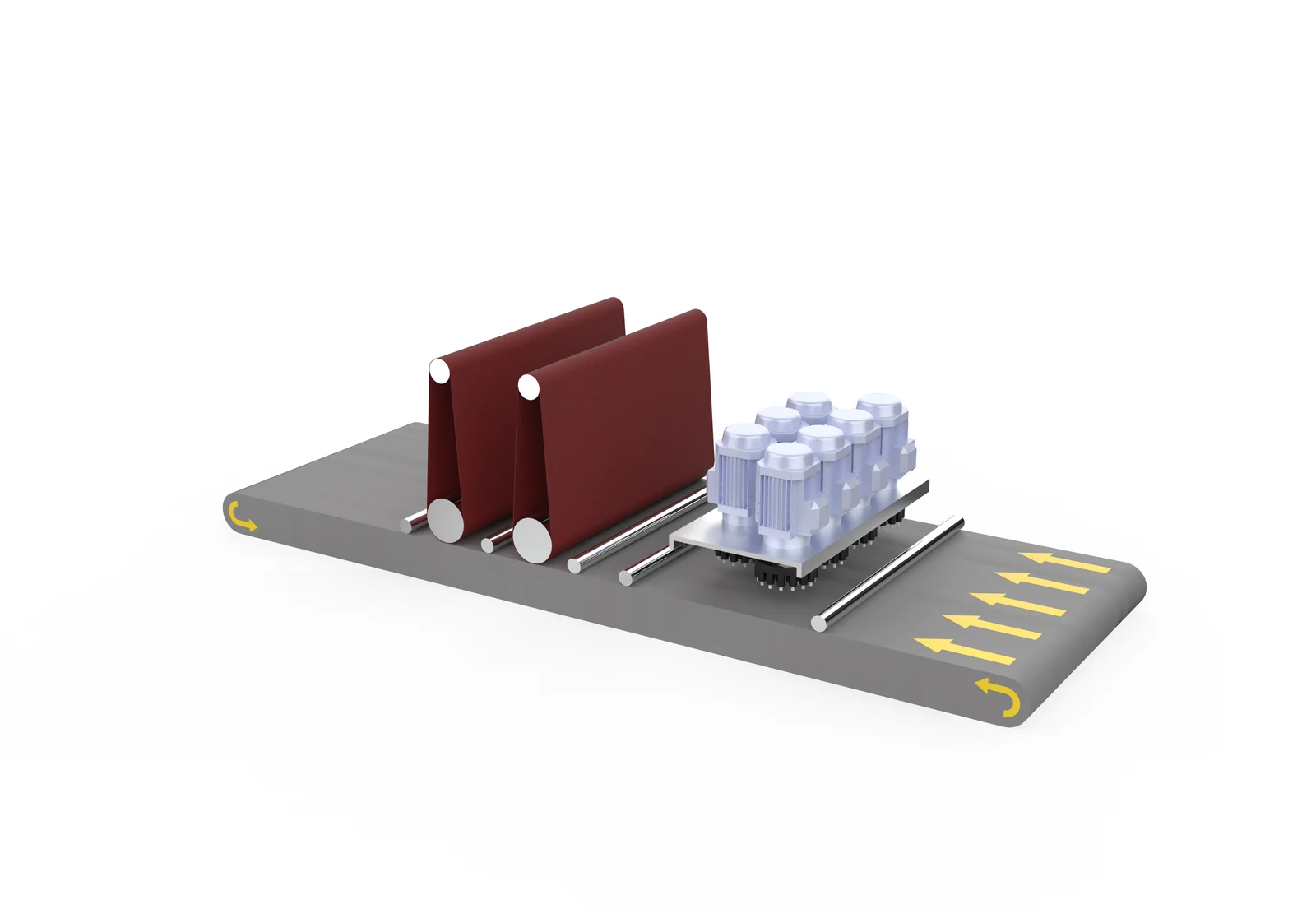
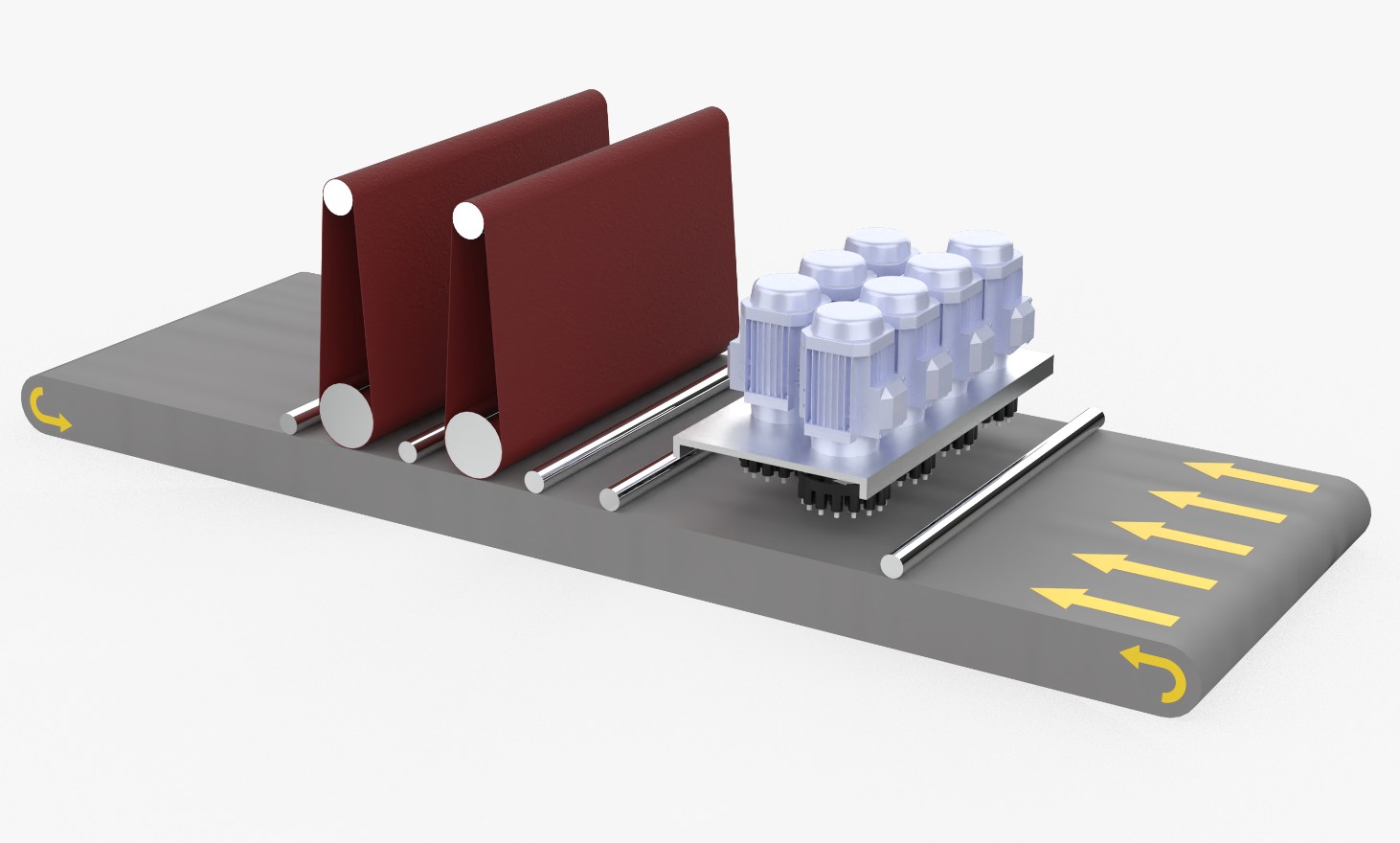
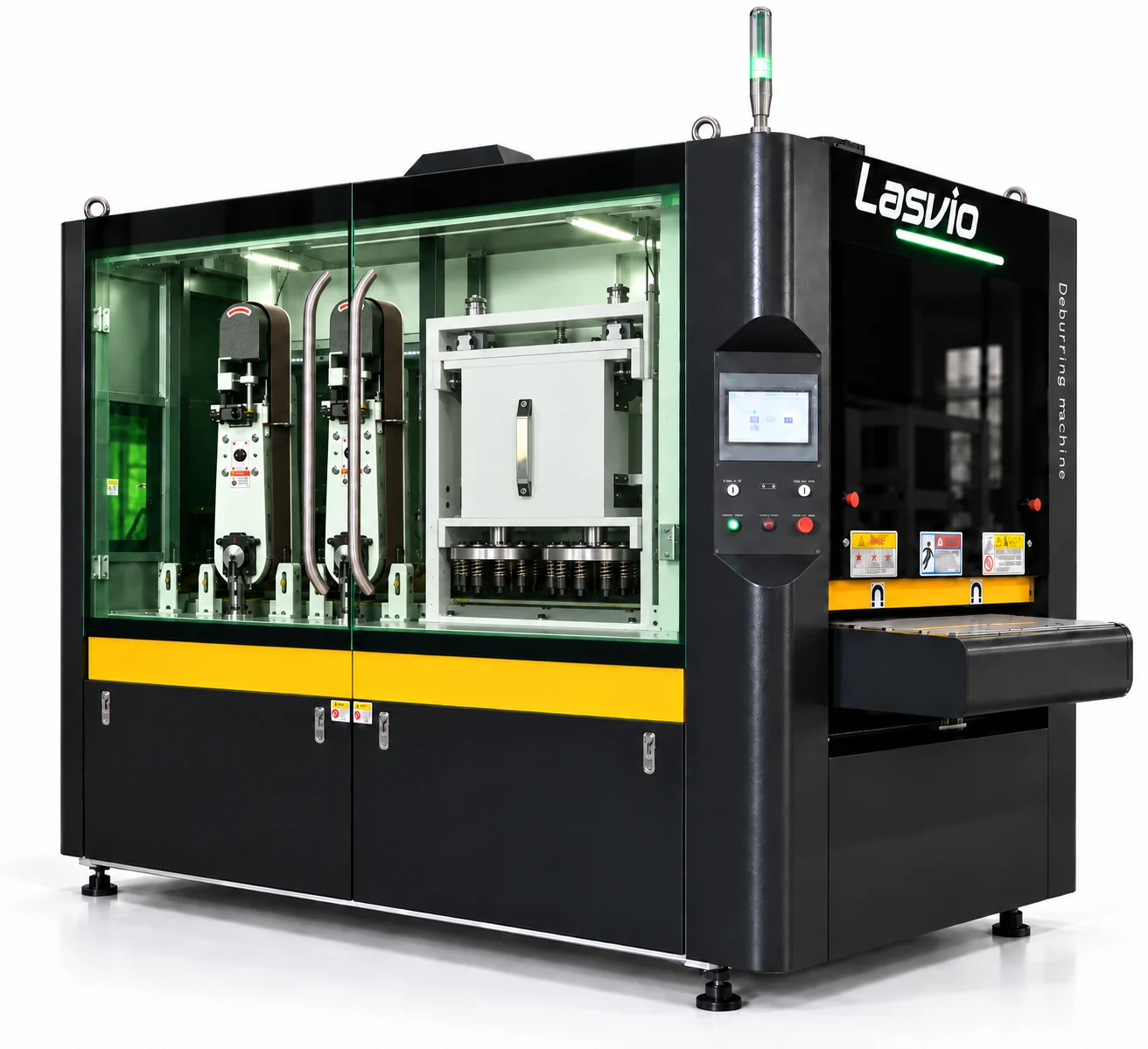
H-Module hammers operate at high RPM to fracture and pulverize stubborn plasma slag in a single pass. Replaces multiple manual grinders. No pre-conditioning
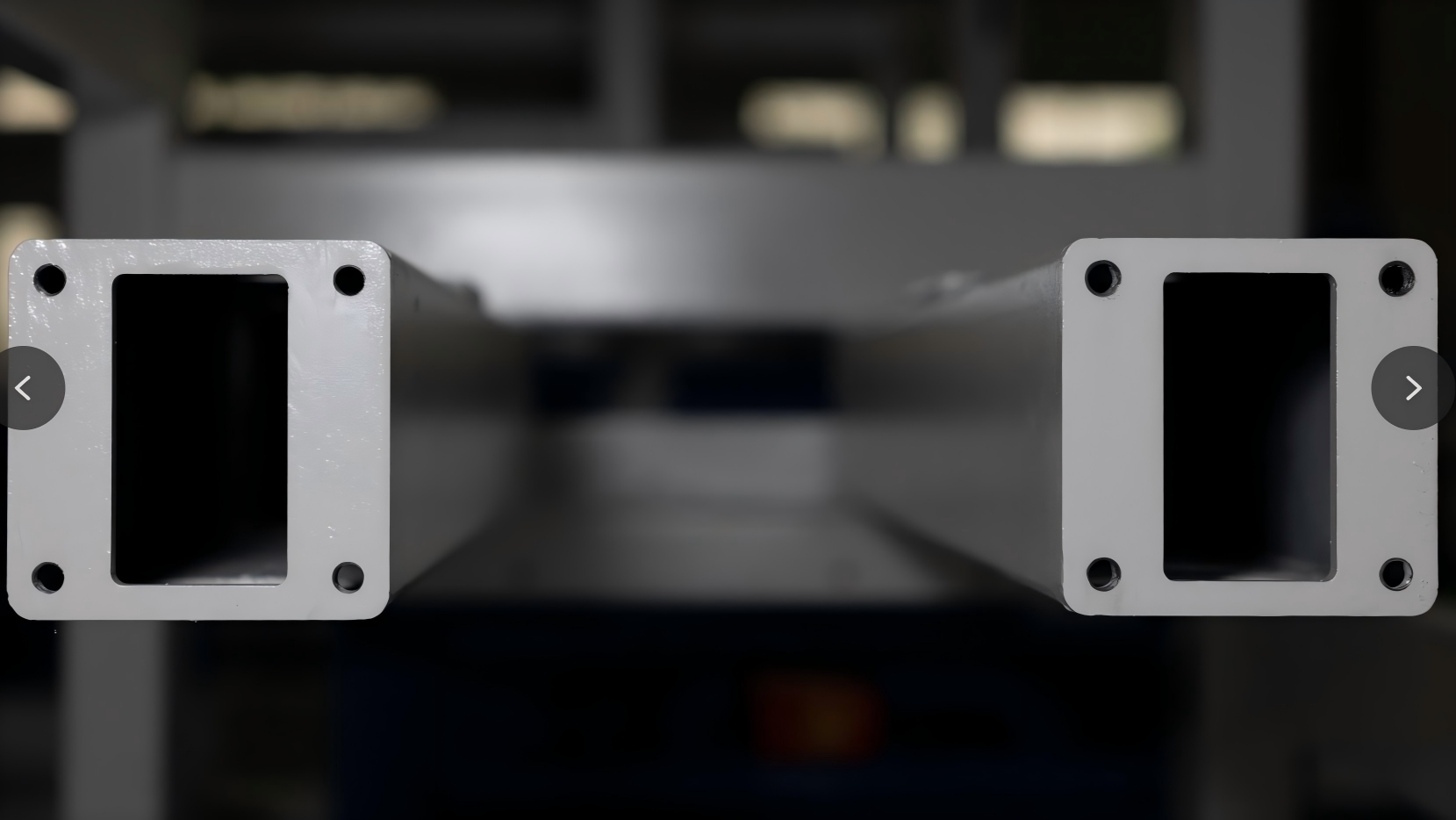
Rigid Industrial Machine Structure
Heavy-duty welded frame construction designed for continuous industrial operation and stable processing performance.
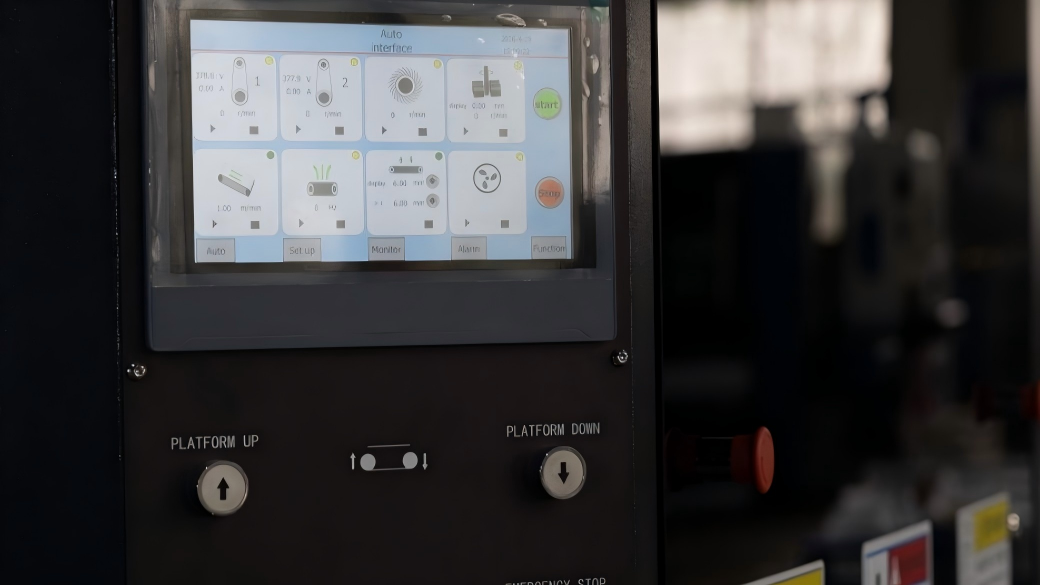
Closed-Loop Servo Control
The 0.01mm closed-loop system continuously adjusts belt tension during operation. Ensures stable conveyor synchronization and consistent finishing quality.
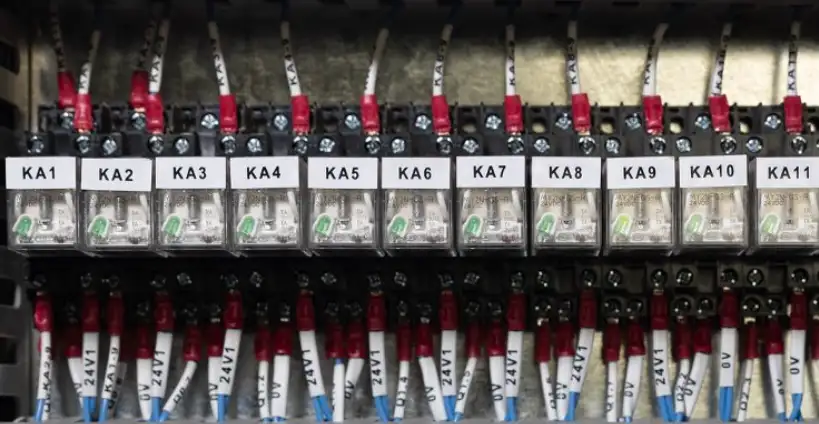
Industrial Electrical System
Reliable electrical architecture designed for long-term operation, easy maintenance, and stable performance in fabrication environments.
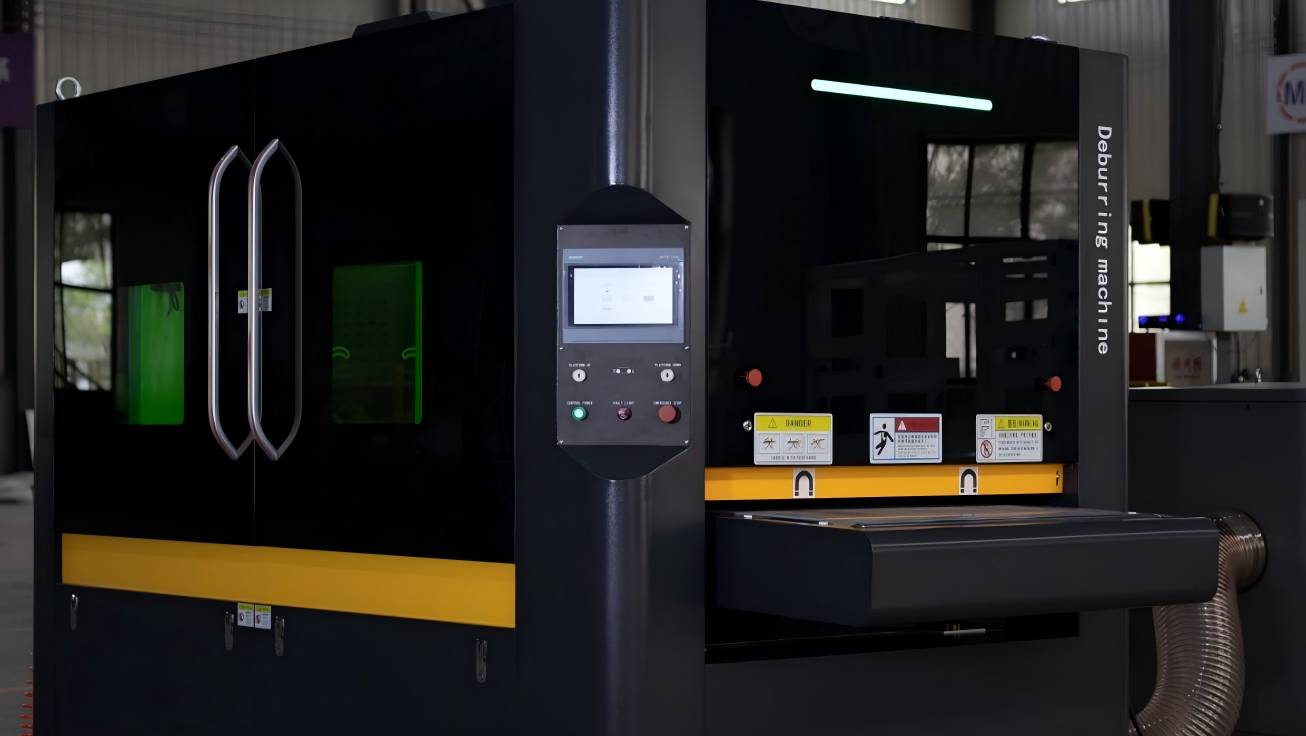
Integrated Safety Protection
Equipped with safety covers, muti-emergency stop systems, gas pressure alarm, doors opeaning alarm, overthick alarm, and operator protection features for safer daily operation.
Processing Capability
The system combines abrasive belt processing and industrial brushing technology to remove heavy slag, sharp edges, and oxide layers while maintaining stable surface quality.
- Heavy slag removal
- Oxide layer cleaning
- Burr removal
- Edge smoothing
- Surface preparation
- Reduce manual grinding workload
- Improve downstream welding quality
- Increase coating consistency
- Improve processing efficiency
- Achieve cleaner finishing results
Processing Flow: Applications
Welding Related
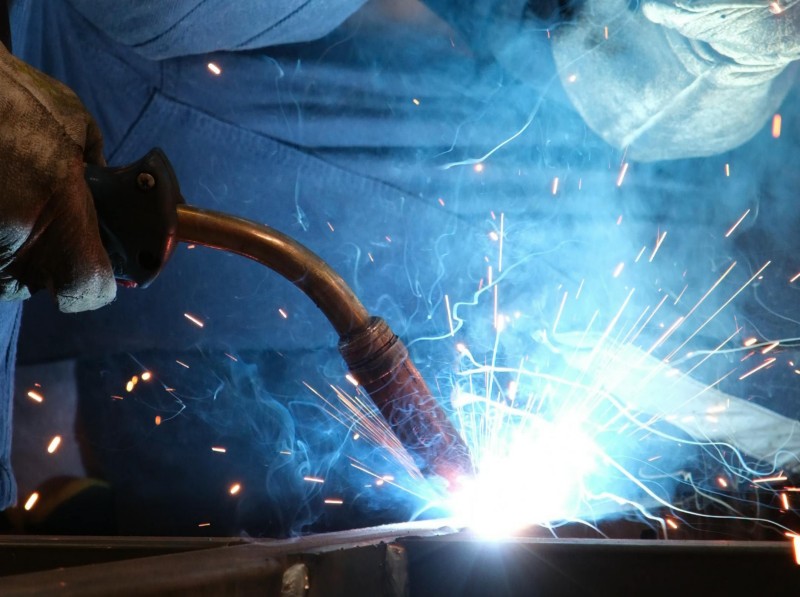
Removes spatter, overflow beads, and heat-affected zone edges in one pass. Rounded edges ready for immediate coating or assembly.
Laser Cut Parts
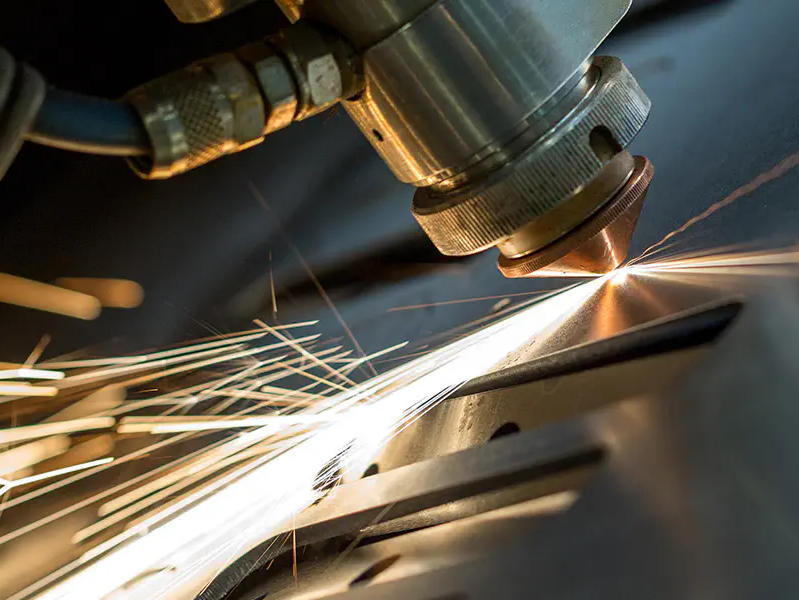
This process refines laser-cut edges and removes the heat-affected zone, delivering a consistent finish ready for further processing or assembly.
Metal & Fabrication
Handles stamp and shear burrs on medium-to-large panel sizes. Fast, consistent, ready for powder coating or plating.
Before & After Processing


Cleaner Edges. Reduced Secondary Grinding.
- Reduced heavy slag buildup
- Cleaner edge condition (Optional)
- Improved welding preparation
- More consistent coating preparation
- Better overall finishing appearance
Parameters
| Model | MB-800HBBB/MB-1000HBBB |
|---|---|
| Working Width | 800mm/1000mm |
| Drive System | High-precision servo motor + closed-loop feedback |
| Safety System | Active safety + passive safety |
| Processing Thickness | 1-80mm |
| Feed Speed | 1-5m/min |
| Sanding Belt Speed | 5-13m/s |
| Hammer Rotation Speed | 9-24r/s |
| Revolving Speed | 58r/min |
| Rated Voltage AC | 380V/50Hz/Customized |
| Air Pressure | 0.5-0.8Mpa |
FAQ
What causes heavy slag/burrs afte cutting?
Can heavy slag removal improve welding quality?
Is manual grinding still necessary after processing?
What materials are suitable for heavy slag removal?
Inquiry Section
Not Sure Which Configuration Fits Your Process?
Tell us your workpiece type, production volume, and finish requirements. Our technical team will recommend the right model and module setup — and arrange a sample test on your actual parts.